This presentation focusses on lessons learned over more than three decades of adult assistive technology instruction at the Carroll Center for the Blind in Newton Massachusetts. Training is conducted individually or in small groups (three to four people) with duration varying from just a few hours to several weeks. Most instruction covers using screen readers and screen magnification (primarily JAWS, ZoomText or Fusion) in the Windows environment. File management, Word, Outlook, Excel, and web browsing are important topics. Smart phone use (primarily iPhone/iPad with Voiceover) has also emerged as an important area for instruction.
Prior to the COVID 19 crisis, all training was provided face-to-face. Since March of this year, training has been conducted remotely, and lessons are beginning to emerge on the strengths and weaknesses of this approach.
Among the lessons learned are:
• Individual or small group training tailored to the specific needs and capacities of participants is most effective.
• Adult motivation to learn is often very strong, especially among those who used computers prior to sight loss.
• Identifying core techniques and topics to be mastered by the end of training is essential, while at the same time creating awareness and providing reference material on important but perhaps less essential topics.
• Providing reference materials in both audio and text format is useful for building skills.
• Identification of ways for participants to continue improving their technology skills after training has ended is critical for fostering future independence.
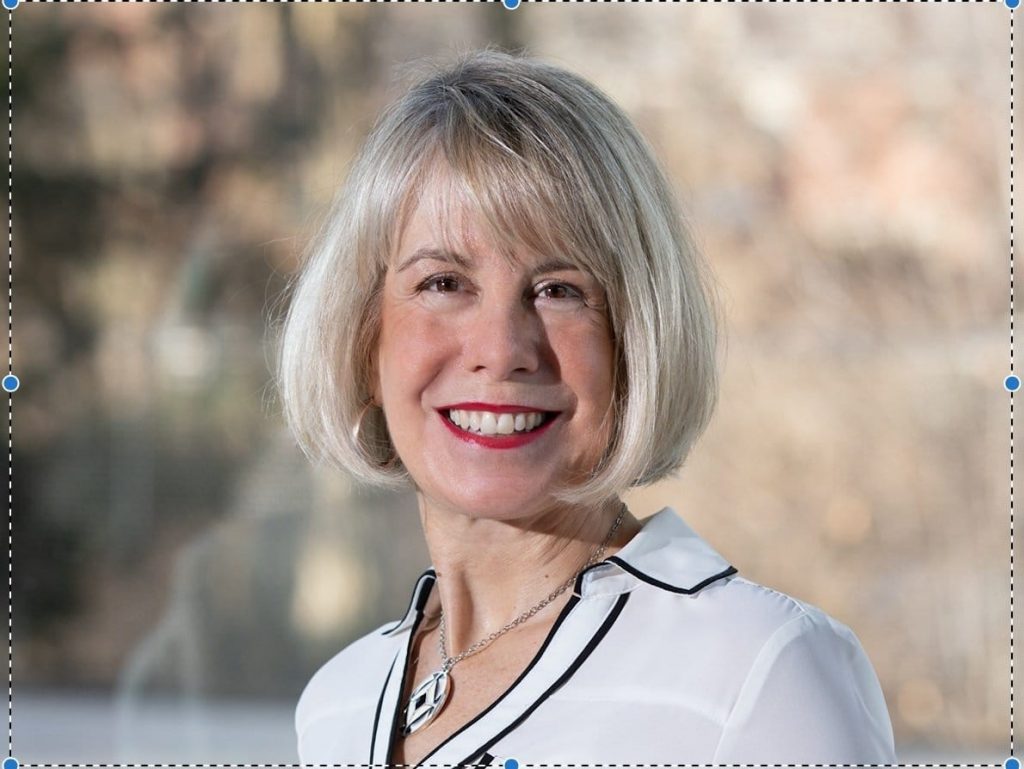
David Kingsbury is an assistive technology instructor at the Carroll Center for the Blind in Newton, Massachusetts. He has worked in this capacity since January 2015 and did similar work part time for several years before that. In early 2007, David graduated from the Carroll Center’s Independent Living Program. He is also the First Vice President of the Bay State Council of the Blind, the Massachusetts affiliate of the American Council of the Blind.
Prior to becoming blind in 2004, David worked in international development as an agricultural economist, with a geographic focus on Sub Saharan Africa. He lived and worked in Rome for the United Nations from 1996 to 2006, and previously worked for the US Agency for International Development in Zaire. He also served as a Peace Corps volunteer in Senegal and Chad.
He is the author of two assistive technology-related books. Format Your Word Documents with JAWS and NVDA: A Guide for Students and Professionals was published in April 2019 by the National Braille Press. When One Web Browser Is Not Enough: A Guide for Windows Screen Reader Users will be published next month by the Carroll Center for the Blind.
Date: June 23rd, 05.00 PM IST
(June 23rd, 7:30 AM EST.)
Please adjust for your own time zone!